
Report: 71% of Americans Say AI Has Made Their Thinking Lazier
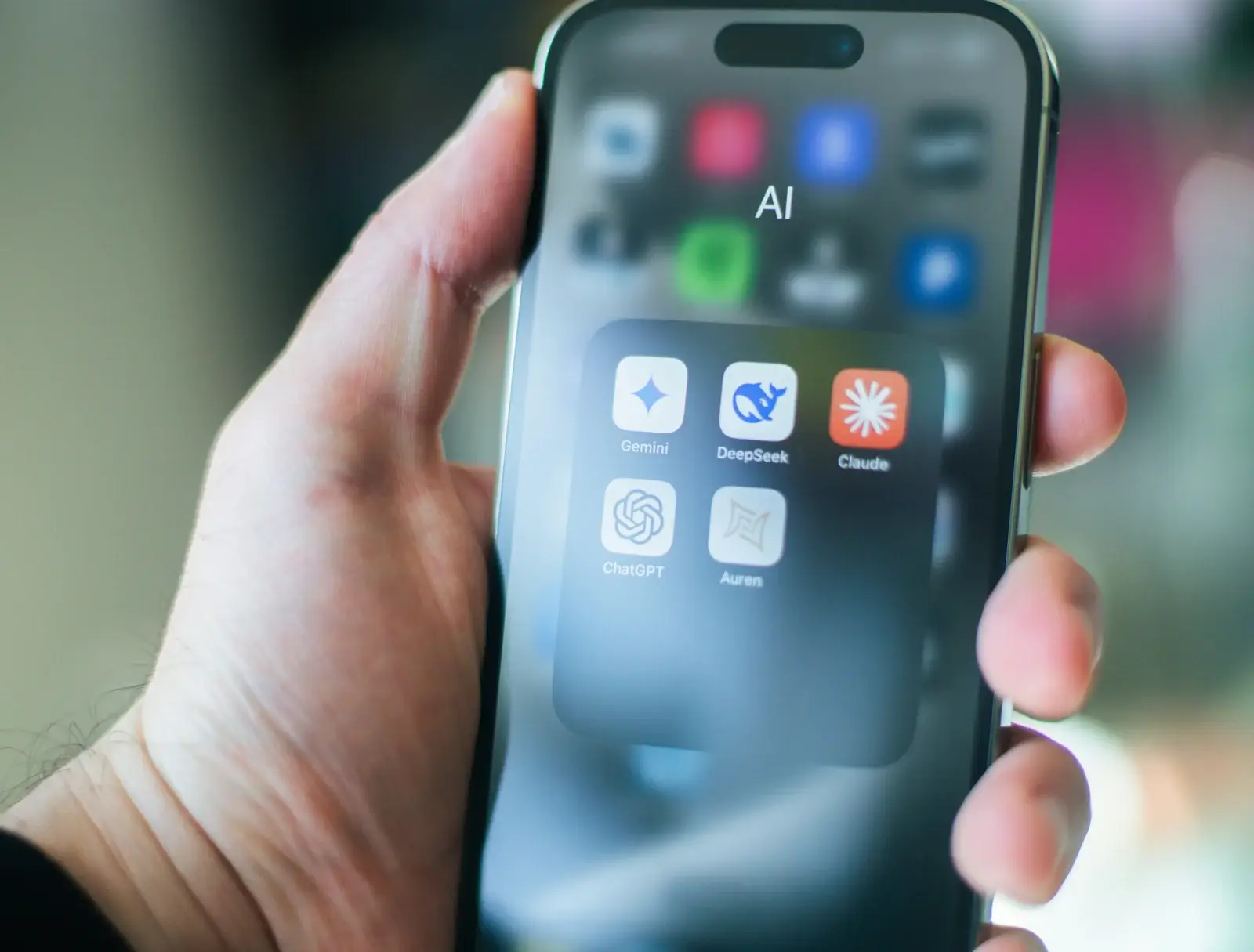
Each day AI becomes more and more advanced. Now, platforms like ChatGPT and Claude are part of many people’s everyday lives. While this technology has improved many aspects of work processes, brainstorming, and more, it has also led to a rise in mental fogginess.
At Solitaire Bliss, we know how a focused break, like playing a game of Spider Solitaire, can help reset our minds and reduce the feeling of fogginess that AI can leave us with. As the usage of AI tools and other technology continues to soar, we wanted to learn more about Americans’ experiences.
To do this, we surveyed heavy AI users across the country and asked them various questions about their frequency of use, how their mental wellbeing has been impacted, what side effects they’ve experienced, and more. Read on to learn more about our findings.
Key Takeaways
- 71% of Americans say AI has made their thinking lazier.
- More than half of Americans have hidden their AI use or passed it off as their own.
- Nearly 3 in 5 Americans say their first instinct is to ask AI when they need to figure something out.
- 58% of Americans say their attention span has gotten shorter.
- Nearly 70% are concerned that relying on AI will weaken their thinking over time.
- 1 in 3 Americans can't remember the last time they thought a problem all the way through without a device.
- More Americans feel foggier (36%) than sharper (28%) since they started using AI regularly.
How Often Americans Turn to AI
Whether they’re looking for a quick answer to a problem, a mockup showing ideas for their next home project, or a detailed itinerary for an upcoming trip, Americans are often skipping the brain work and instead turning to AI for solutions. In fact, 57% of Americans say their first instinct is to ask an AI tool when they need to figure something out, and just 1 in 5 say they try to work a problem out on their own first.
Although access to generative AI tools is relatively new for Americans, the technology has quickly become a staple in their daily routines. Nearly 1 in 6 Americans spend 5 or more hours a day actively using AI tools. The reliance is more prominent amongst the youngest users as Gen Zers are the heaviest AI users, with nearly 1 in 5 spending 5 or more hours a day on AI tools.
Whether they’re ChatGPT-ing their way out of a dilemma or asking Claude to explain a new concept, 1 in 3 Americans can’t remember the last time they thought a problem all the way through without a device. However, the frequent usage seems to come with a cost as more than 2 in 5 Americans feel like their brain is fried after a heavy AI workday.
For some, AI is upgrading its status from simply a tool, to more of a digital comfort blanket. From asking for help responding to a text message to even sourcing advice about their life choices, nearly 1 in 3 Americans struggle to make even small decisions without looking something up first. Why sit with uncertainty, when your go-to AI search engine can give you an instant answer?
As gratifying as settling doubt in seconds can feel, the action can also cause some harm, and 71% of Americans say their thinking has gotten lazier because AI does it for them. Reaching out to AI doesn’t just give them answers, but it may also give them some mental lag, as more Americans feel foggier (36%) than sharper (28%) since they started using AI regularly.
However, using the quick tools isn’t a breeze for every American, as 1 in 3 (34%) admit AI sometimes makes them feel like they're working harder, not easier. Still, the action of using AI is quickly becoming the norm in society, as nearly 1 in 3 Americans (31%) feel pressure to use AI even when they'd rather not.
The Tasks Americans Use AI For
For many Americans, gone are the days of looking at a blinking cursor, trying to phrase an everyday email or spending hours brainstorming a particular topic. Nearly 3 in 5 Americans (58%) say they lean on AI to come up with ideas, and more than half of Americans (55%) now rely on AI to write their emails or messages, rising to 60% among Gen Zers.
Without the frequent brain work, nearly half of Americans (49%) feel they've gotten worse at coming up with ideas because technology does it for them. Some users are also relying on these tools to help them before the work even begins, as 64% of Americans now rely on AI or technology to read or summarize long content for them. While skipping the independent work can offer convenience, the lack of practice can also result in a lack of confidence in Americans.
With an abundance of tools available to jog your memory, many Americans are starting to become unsure of what they really know, as nearly half (49%) say they trust technology's memory more than their own. As more people follow the “when in doubt, search it out” approach, nearly 70% are at least somewhat concerned that relying on AI will weaken their thinking over time.
Although the usage of AI tools is becoming more common than not in Americans’ lives, not everyone is forthcoming about getting digital help. More than half of Americans (54%) have hidden their AI use or passed AI's work off as their own. Gen Zers are by far the most likely to hide it: Nearly 2 in 3 (65%) have passed off AI's work as their own, versus 22% of baby boomers.
Even though many companies allow or even encourage their employees to use the tools to improve their productivity, some workers aren’t ready to admit they’ve collaborated with technology, as 1 in 5 Americans (20%) say they’ve hidden their AI use specifically in their work life.
Most Reported Side Effects of Long AI Usage
Although you can get a constant flow of information, endless options, and rapid-fire answers, using AI tools can sometimes feel like a double-edged sword. While the use of these tools can seem effortless, 45% of Americans report feeling overwhelmed by too much information after a long stretch of AI use, and 44% say they are mentally exhausted from using AI. Only 13% of Americans say they rarely feel mentally drained, meaning the vast majority hit a daily wall.
Whether they’re experiencing slower thinking or simply having trouble concentrating, nearly 1 in 3 Americans experience brain fog after heavy AI use, rising to 37% among Gen Zers. Overall, the majority of Americans report feeling a mental decline, as 58% of Americans say their attention span has gotten shorter and more than half of Americans (55%) say their brain feels more tired than it did a few years ago. While helpful at times, 57% of Americans worry they are becoming too dependent on AI, a feeling strongest among Gen Zers (65%).
Exercise Your Brain with Solitaire
While it can feel good to lessen our mental load with the help of AI tools, it’s important that we continue to exercise our brains. This isn’t just to reduce fogginess but to support our mental health. When brain fry begins to set in, it can trigger anxiety and stress, while also reducing cognitive functions and mimicking depression.
Break through those cycles with Solitaire Bliss by challenging your brain to Spider Solitaire, Pyramid, or one of our other many games. With the help of these short periods of focus, you’ll feel refreshed and ready to tackle your next project with a clear head.
Methodology
In this study, we set out to learn how heavy AI use is affecting the focus, memory, and mental energy of Americans who use AI regularly. To do this, we surveyed 1,499 Americans who regularly use AI and asked a variety of questions including how many hours a day they spend on AI tools, whether they feel mentally fried or foggier since using AI, which everyday tasks they now hand off to AI, and more.
Back to the Homepage